Zestyme
A fruit you peel to release scent. How far you peel sets the strength and turning the coloured halves picks the aroma.
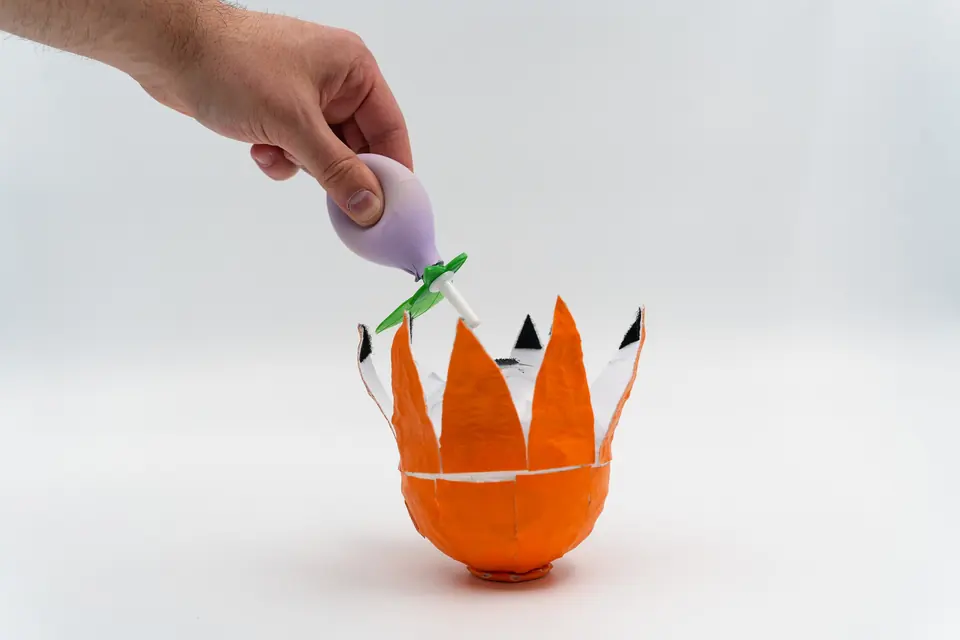
The course asked how a home IoT system can keep growing as devices and services are added while its interaction stays rich.
Fruit tells the hands what to do. Its form invites peeling, squeezing and rubbing, bodily skills as old as harvesting, and Zestyme builds every control on them.
What an object's form offers the body to do, perceived directly without instructions (Gibson, 1979).
Designing form, interaction and function together, as three inseparable properties of one product (Frens, 2006).
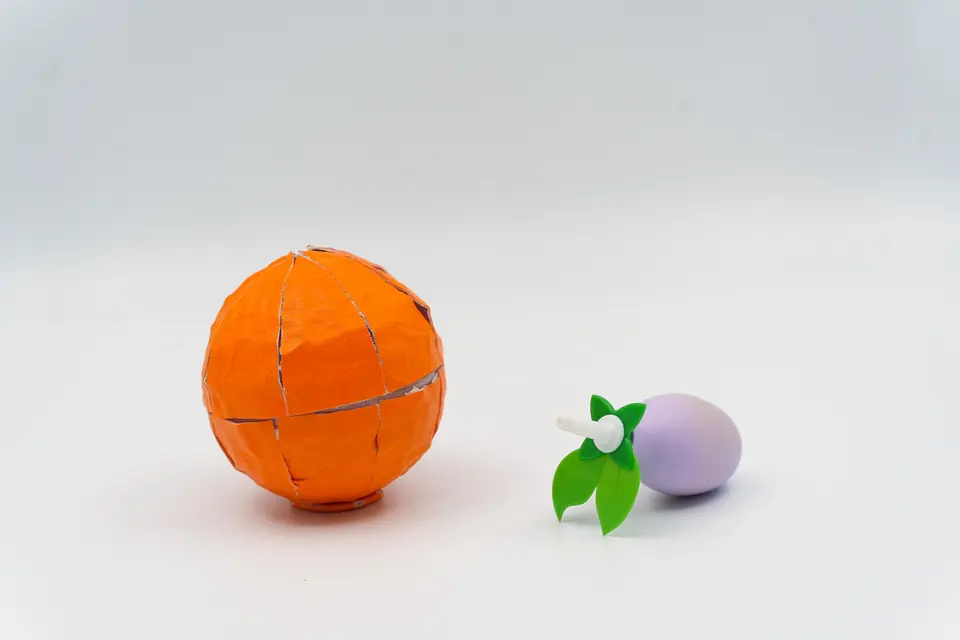
- Note 01 Peel to open: holes under the peel start the mist. Close the peel again for less scent.
- Note 02 The light changes with the chosen aroma.
- Note 03 Squeeze the dropper to pick up a scent and drop it into the diffuser. In the growing system, each new device keeps the same squeeze and rub.
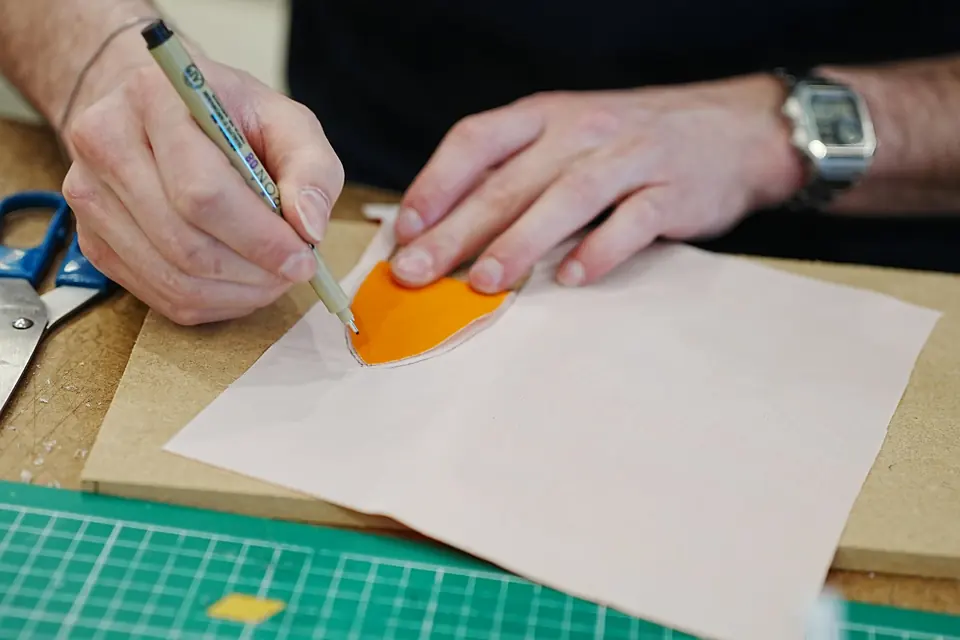
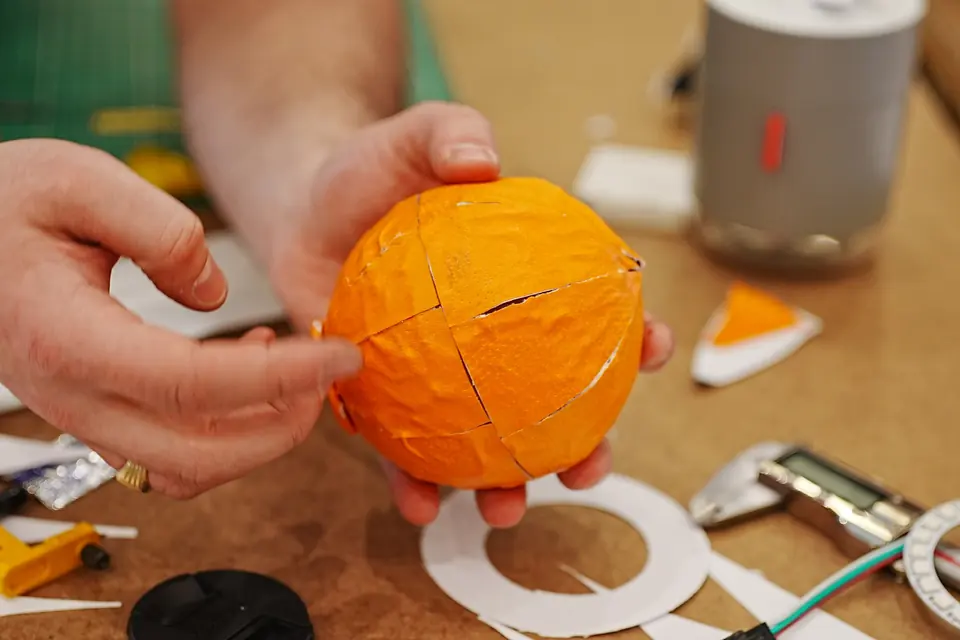
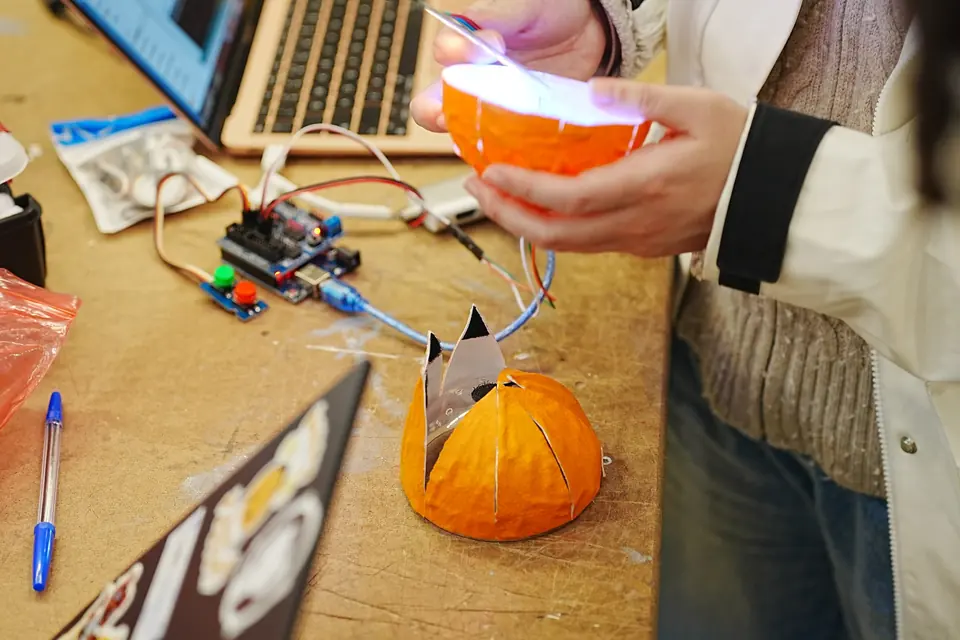
The sphere gives no hint that it turns, so the aroma selection stays hidden. The dropper does not show whether it is active, raised or resting. Sharing the system between several people has no mechanism yet.
A transparent shell, so people can read the state at a glance. The IoT layer, with data from wearables and intensity that adjusts over time, is still a concept.
- Frens, J. (2006). Designing for rich interaction: Integrating form, interaction, and function [Doctoral dissertation, Eindhoven University of Technology].
- Frens, J. (2017). Designing for embodied and rich interaction in home IoT. In Proceedings of the Conference on Design and Semantics of Form and Movement: Sense and Sensitivity (DeSForM 2017). InTech.