Slowness
A clay plate-making workshop about eating slowly. Participants shaped their own plates, then used them to talk about food, pace and attention.
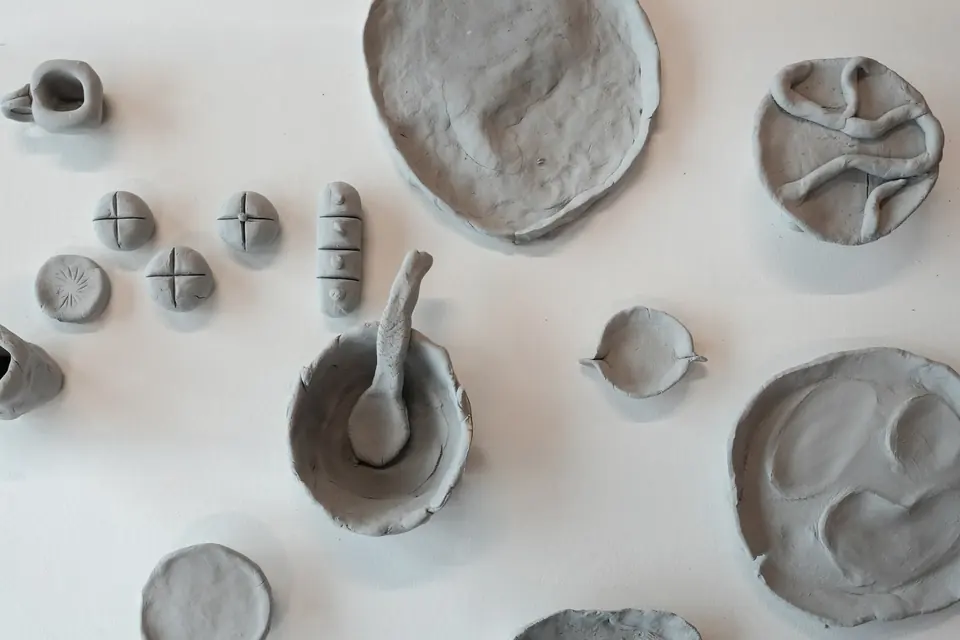
Screens take our attention at the table, and eating without noticing has become common. Food marketing shapes what and how we eat as well (Chandon & Wansink, 2012). We used critical design to make eating conscious again through everyday objects.
How can making a plate together build a shared understanding of slow, intentional eating?
Technology designed for reflection and moments of mental rest, with efficiency set aside (Hallnäs & Redström, 2001).
In Slowness: we asked whether the clay plates themselves could bring pauses and attention into a meal, so that eating slowly feels worth it.
- Note 01 Seven participants joined three sessions of 1.5 to 2 hours.
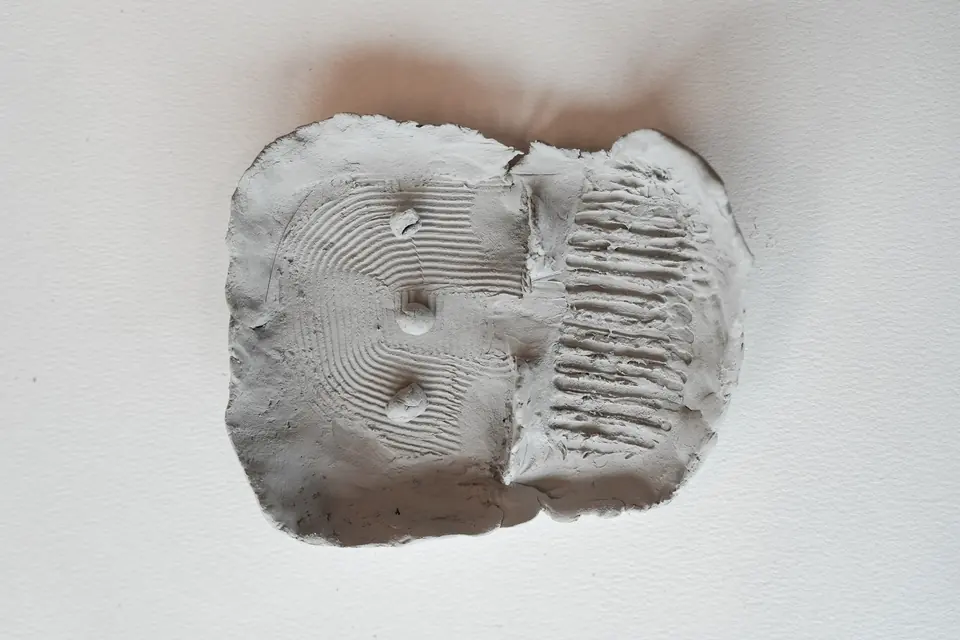
- Note 02 Each person shaped a plate, then the group reviewed each other's plates. The showroom approach made participants co-interpreters of the research.
- Note 03 We collected photos, video, transcripts and field notes, and analysed them by inductive thematic analysis.
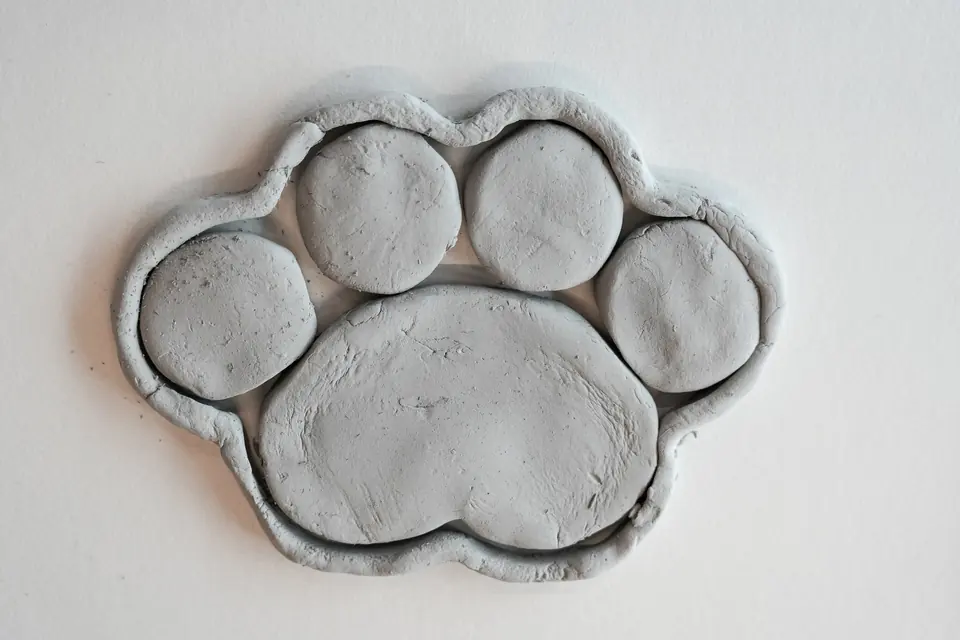
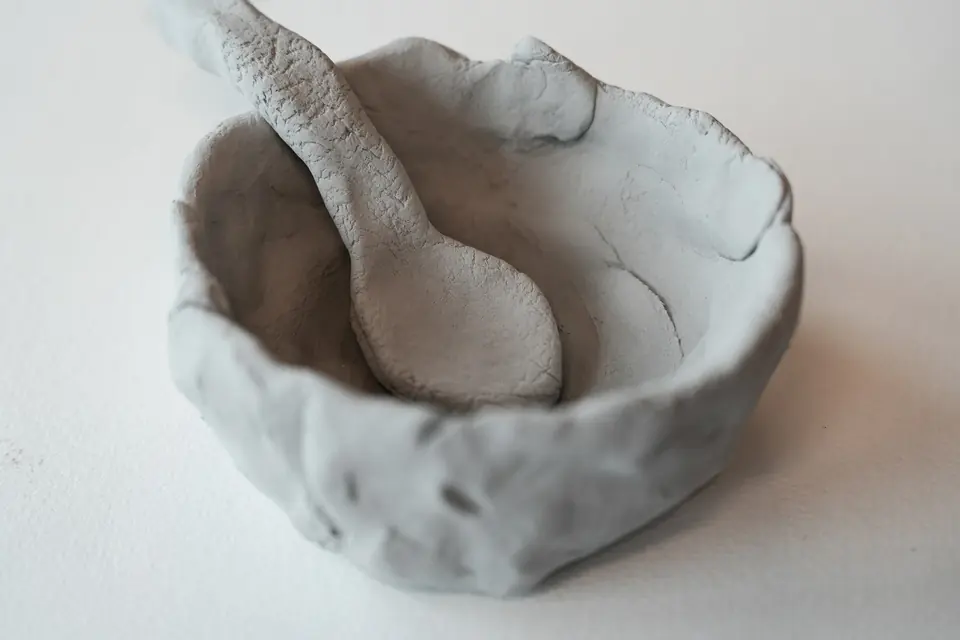
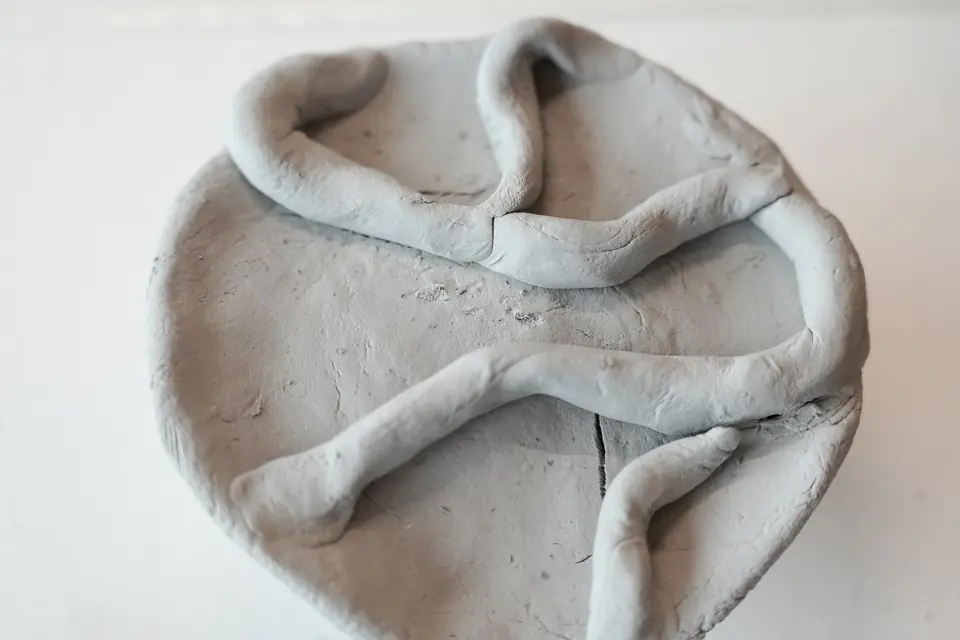
Participants designed their plates for control and choice, and slowness appeared as a by-product of that agency. The feel of the clay brought back personal and cultural memories. In peer review the plates worked as boundary objects that people built interpretations around. Shaping the clay surfaced assumptions about mindful eating that interviews alone had not reached.
- Koskinen, I., Zimmerman, J., Binder, T., Redström, J., & Wensveen, S. (2012). Design Research Through Practice: From the Lab, Field, and Showroom. Morgan Kaufmann.
- Hallnäs, L., & Redström, J. (2001). Slow technology: Designing for reflection. Personal and Ubiquitous Computing, 5(3), 201–212.