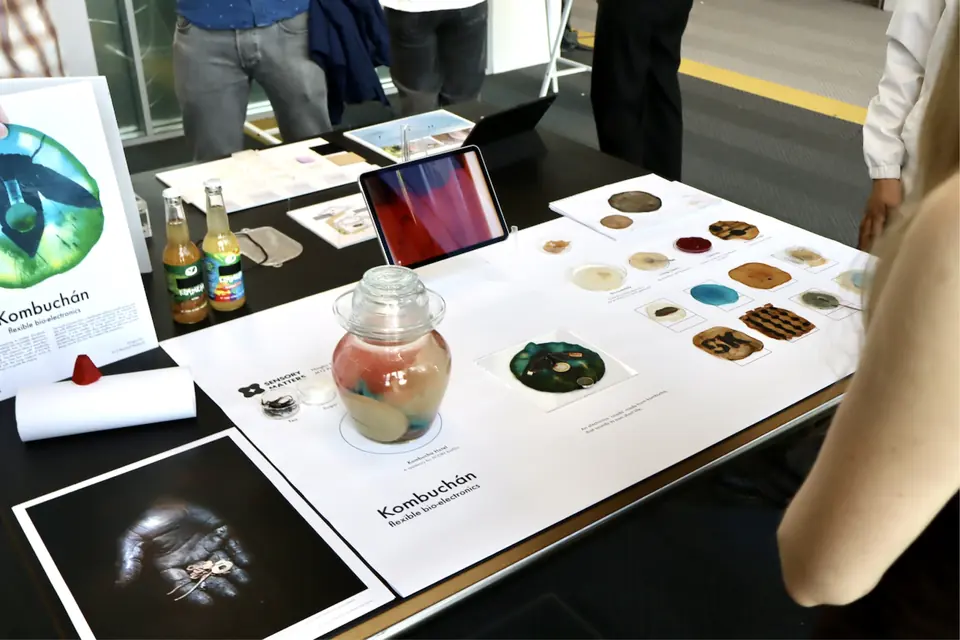
Flexible bio-electronics
“Could tea-grown materials help us with future electronics?”
Mass production and rapid replacement of electronic devices are making e-waste a growing global problem. Many products combine metals, plastics and adhesives in complex structures that are hard to disassemble and recycle. Replacing plastic with a natural material does not make an entire electronic product biodegradable.
What if electronic products were designed around growth, change and decay from the beginning?
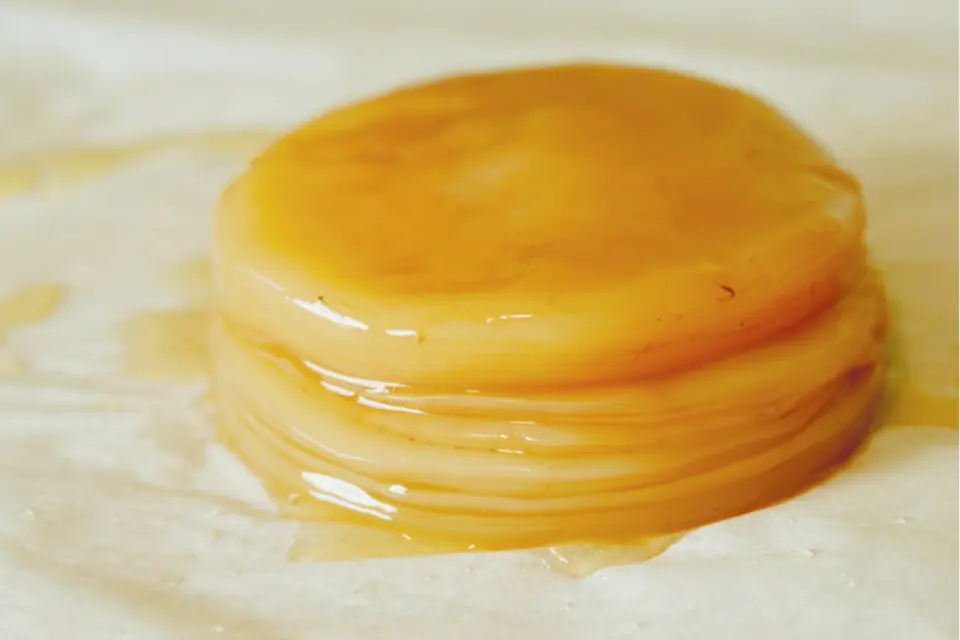
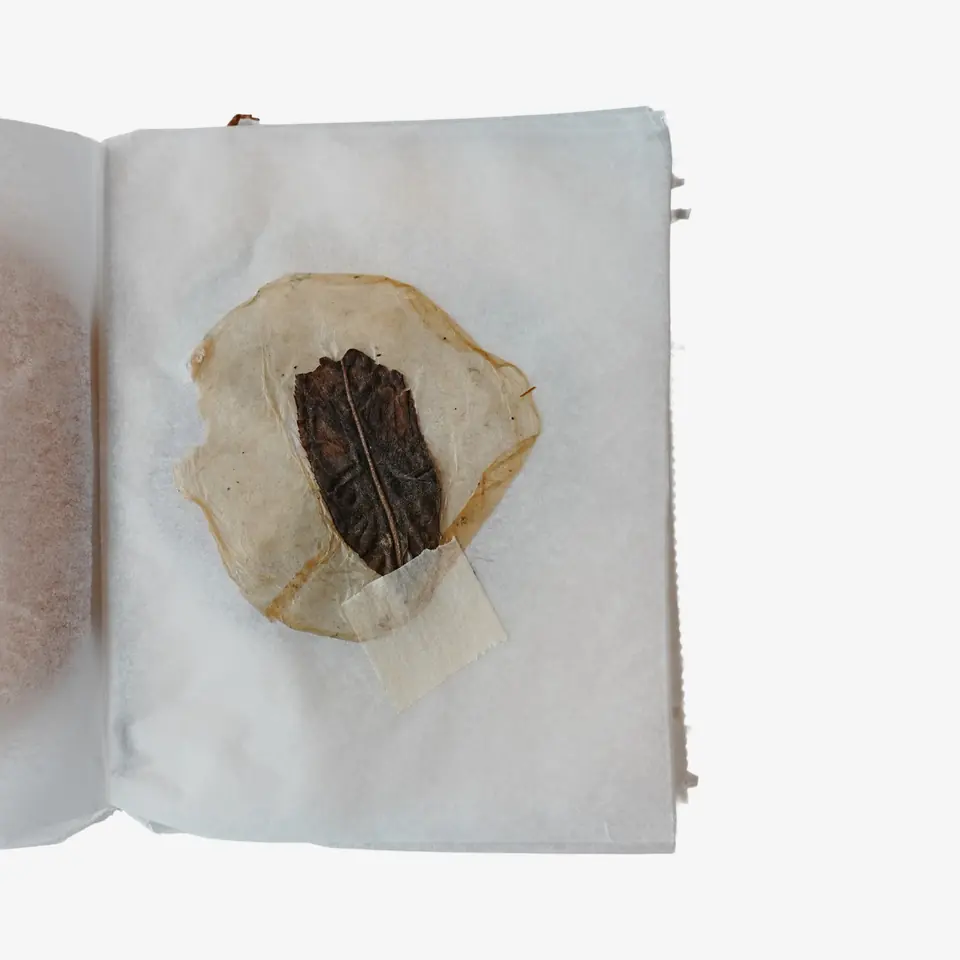
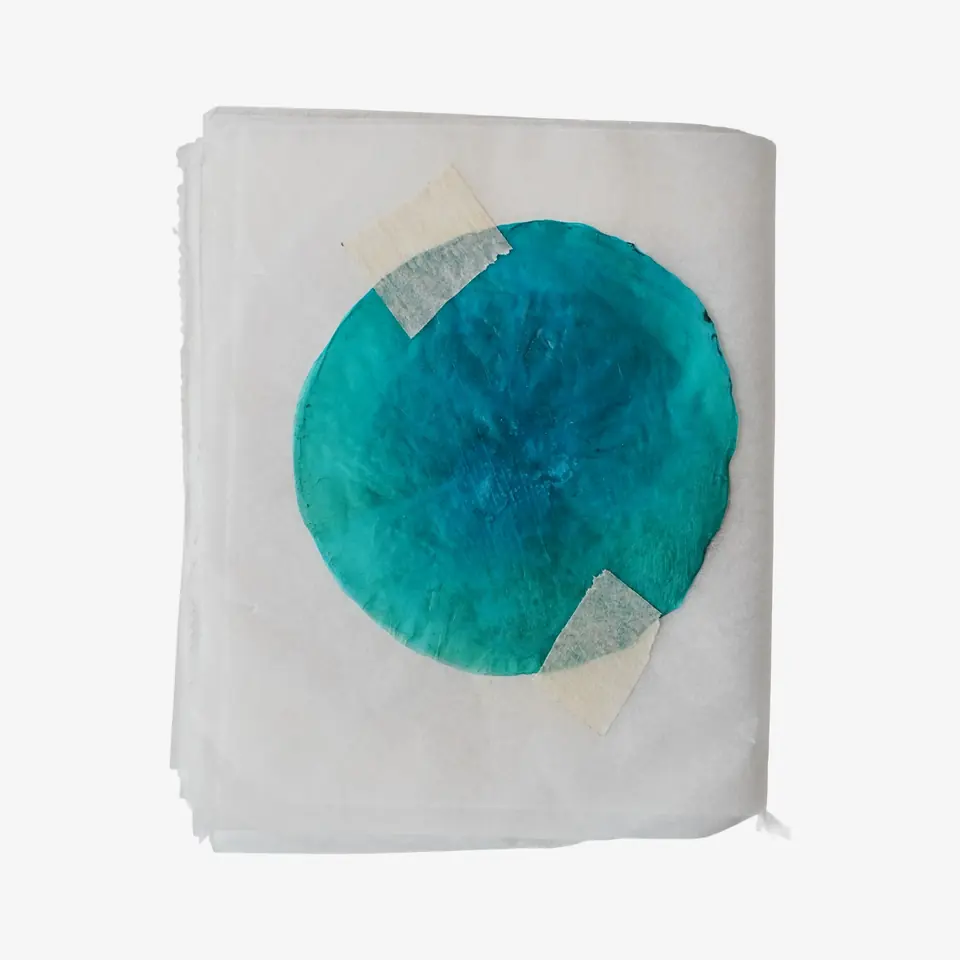
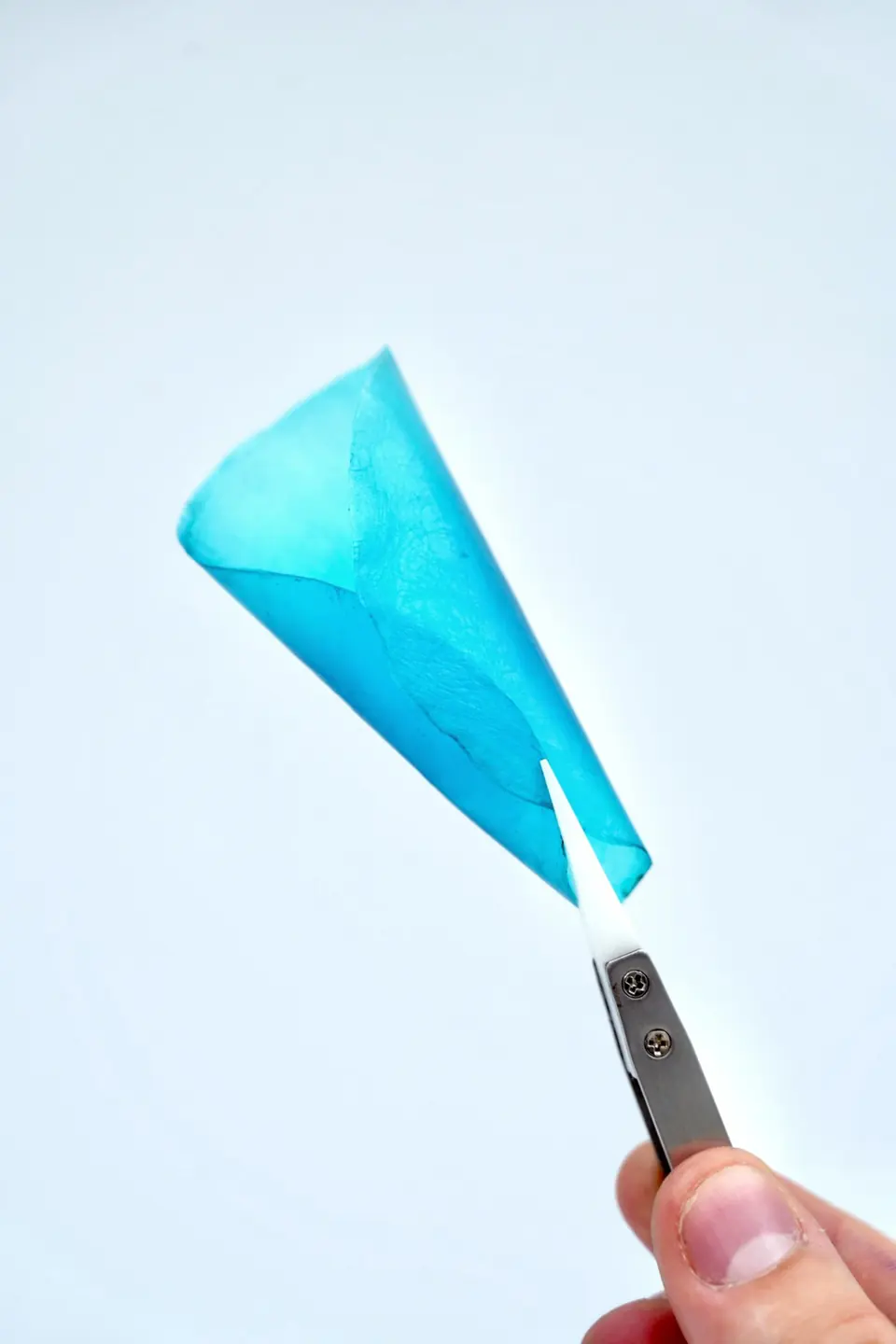
- Note 01 Over four months, more than twenty kombucha cultures were grown in a home kitchen. Each grows a SCOBY, the cellulose layer a symbiotic culture of bacteria and yeast forms on sweet tea.
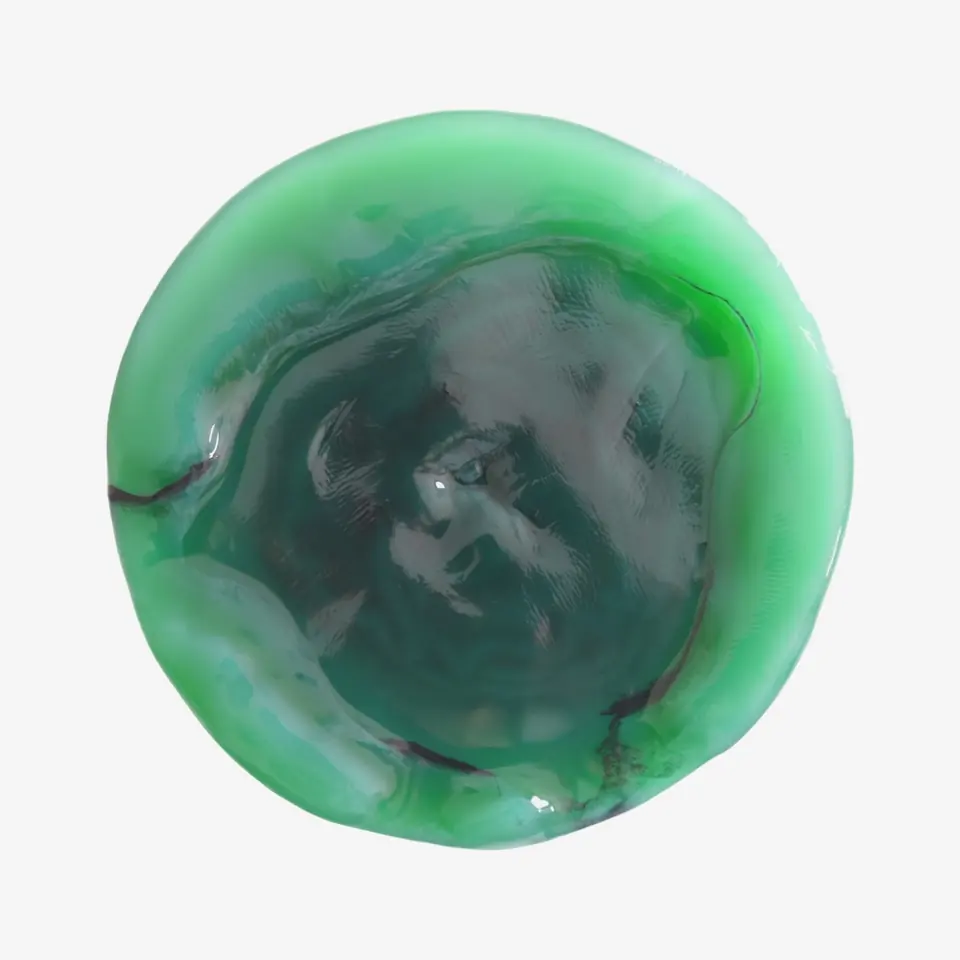
- Note 02 Sugar, temperature and time shaped the colour, thickness and texture of the material; fruit pigments inspired colour experiments.
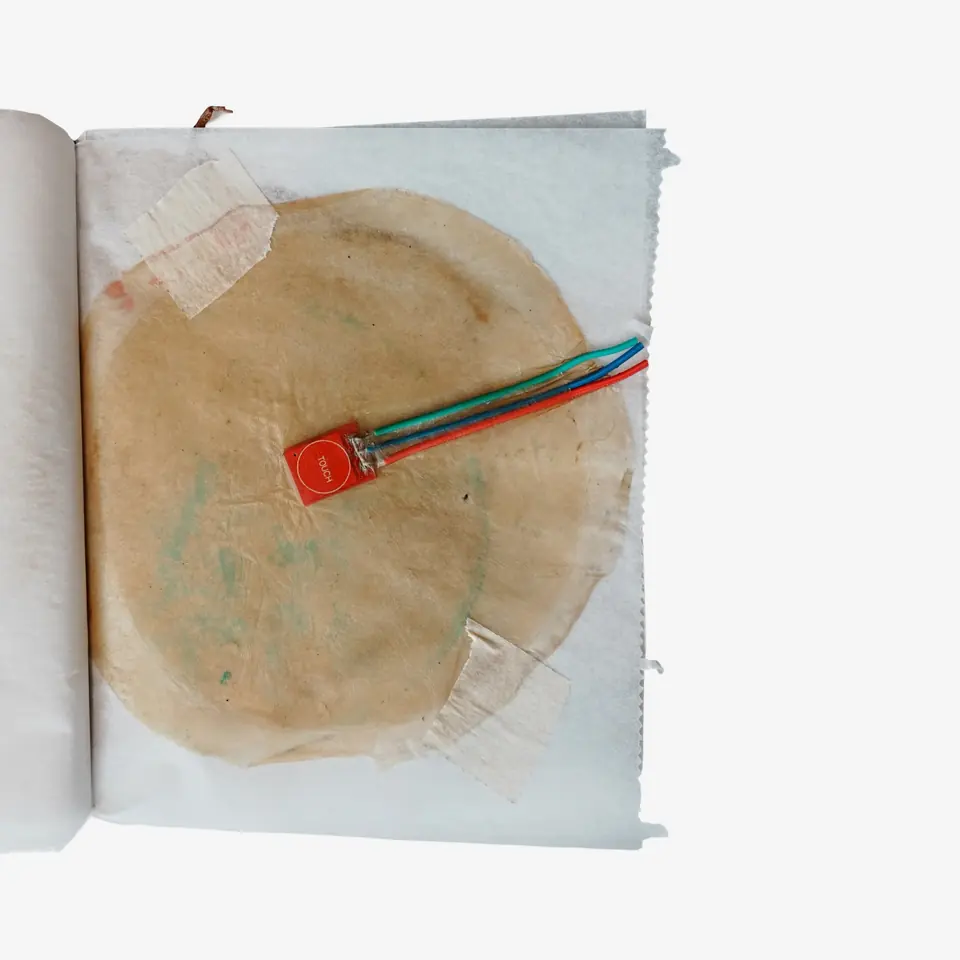
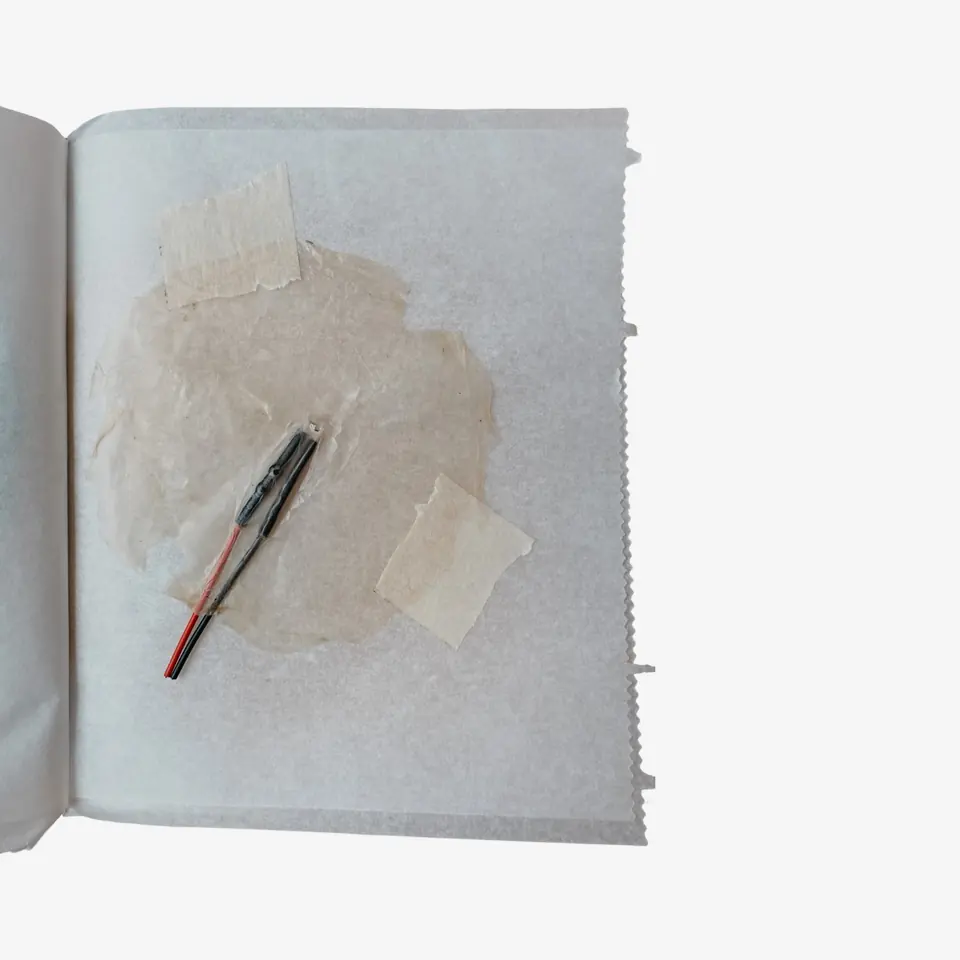
- Note 03 The moist, sticky films were layered and wrapped around electronic components.

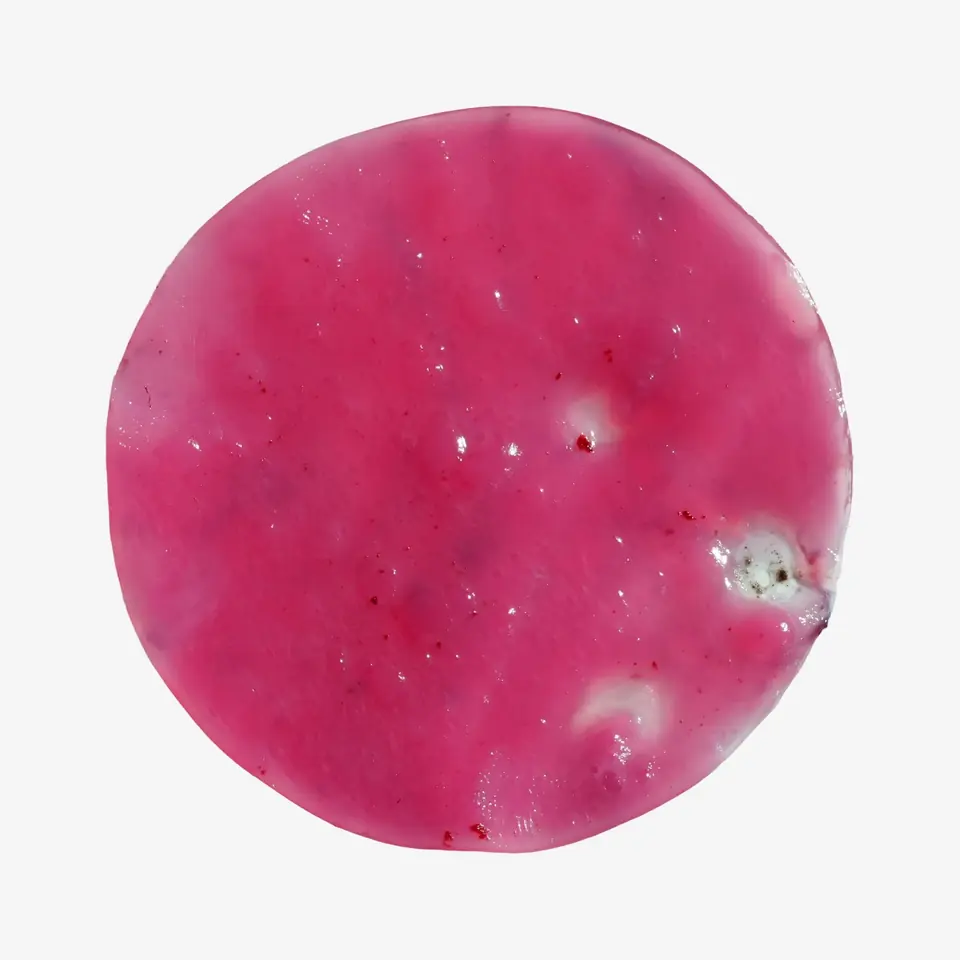
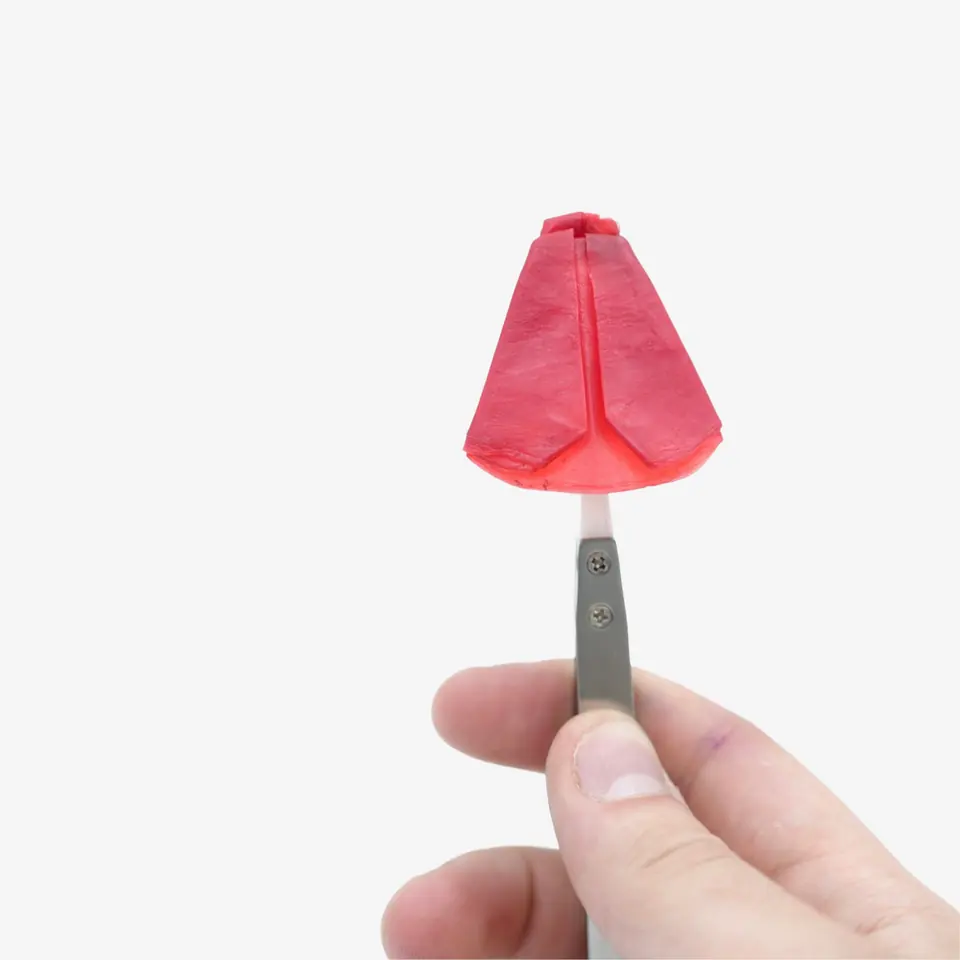

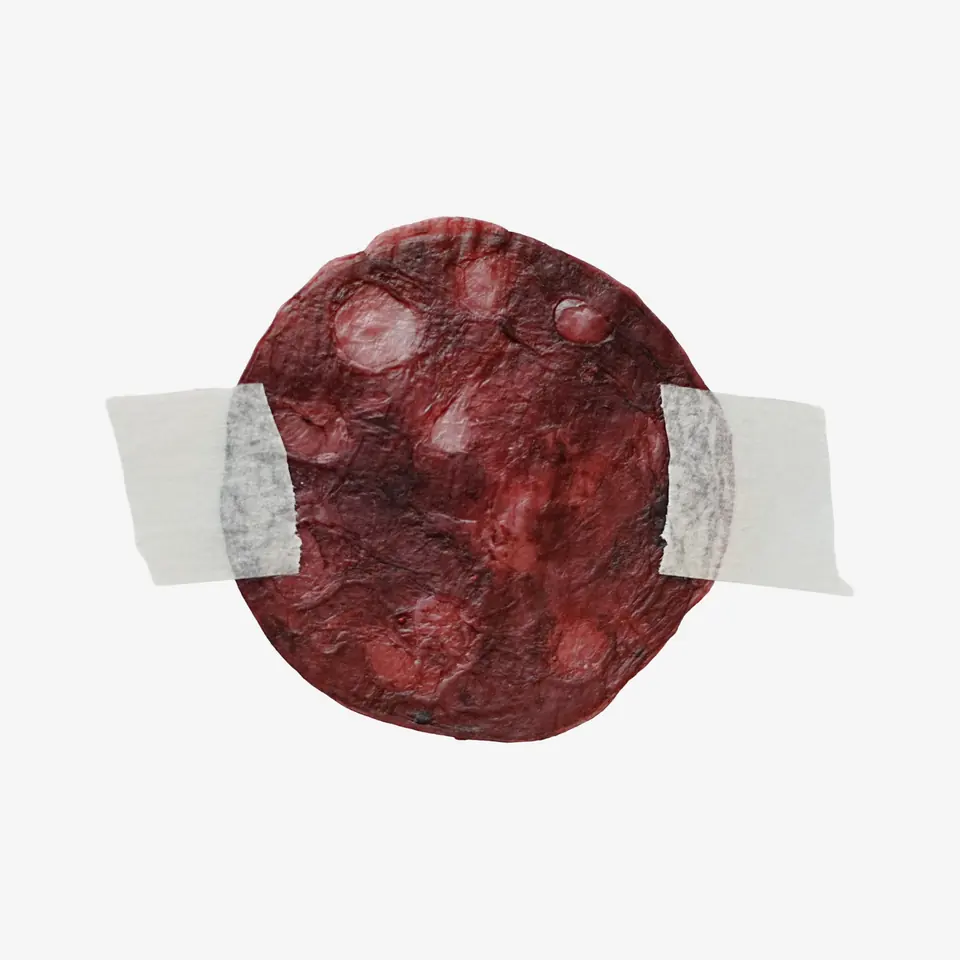
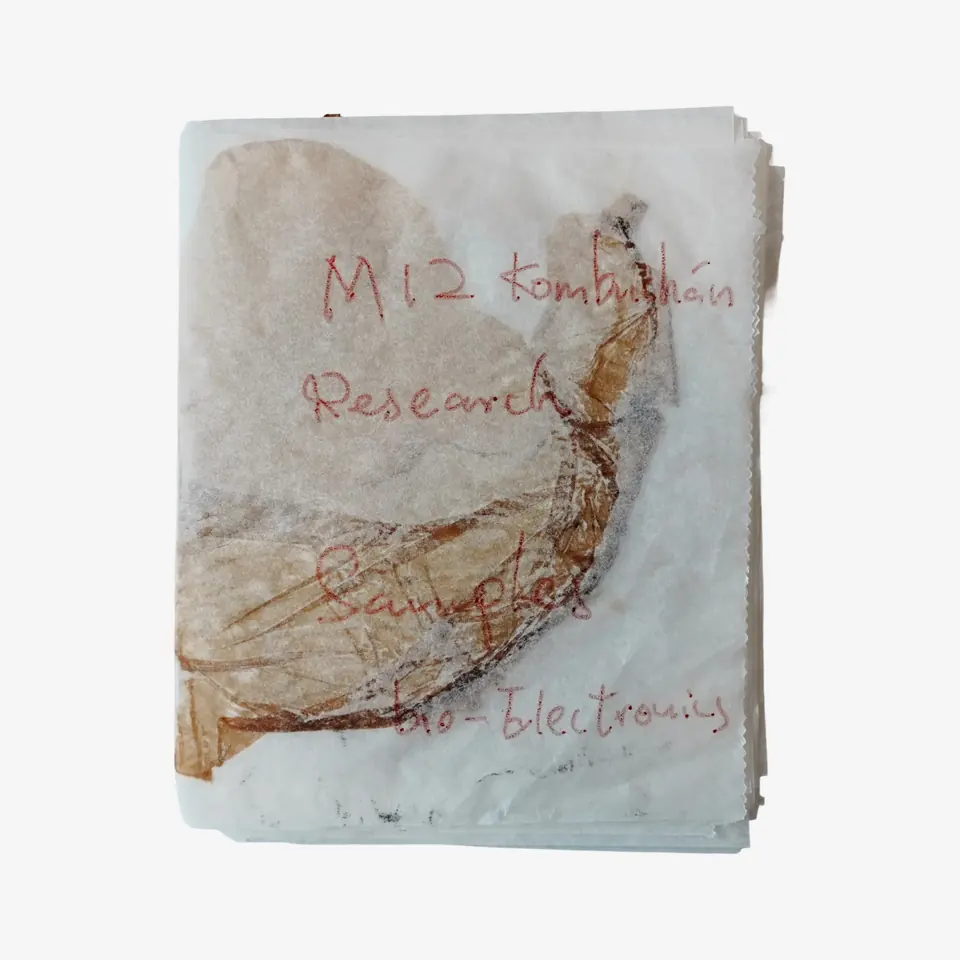
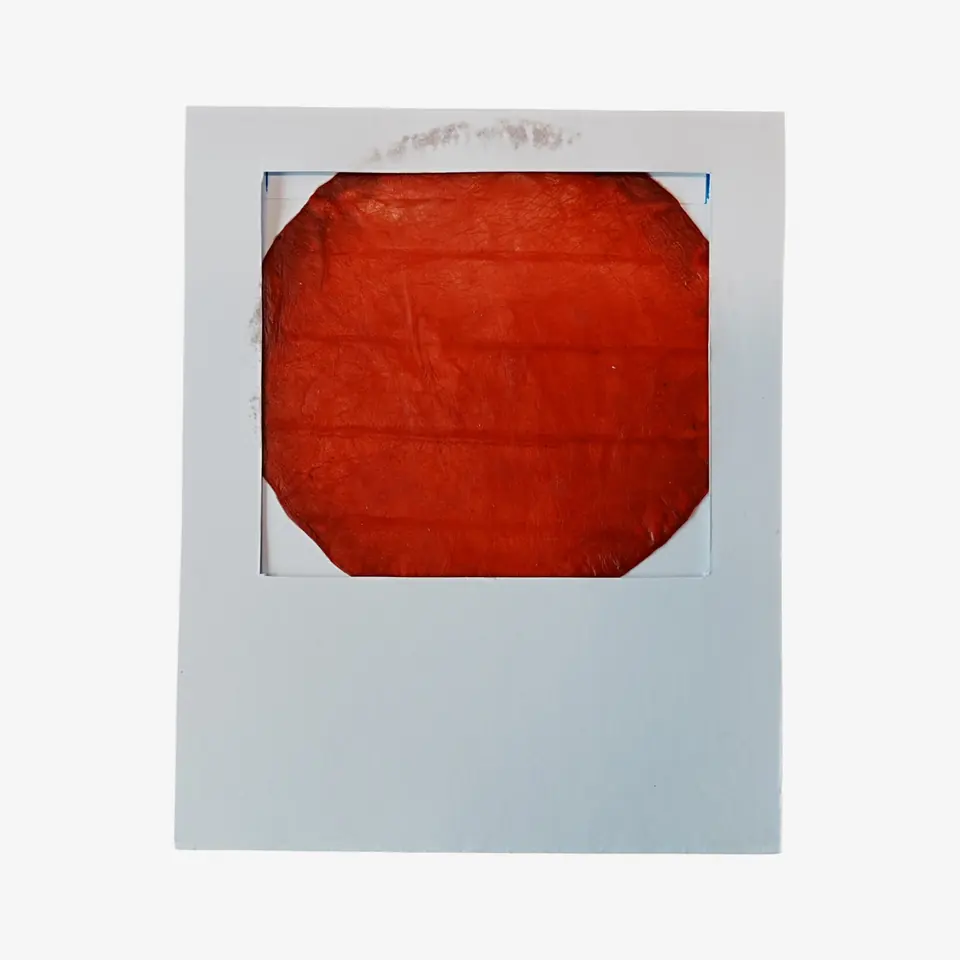
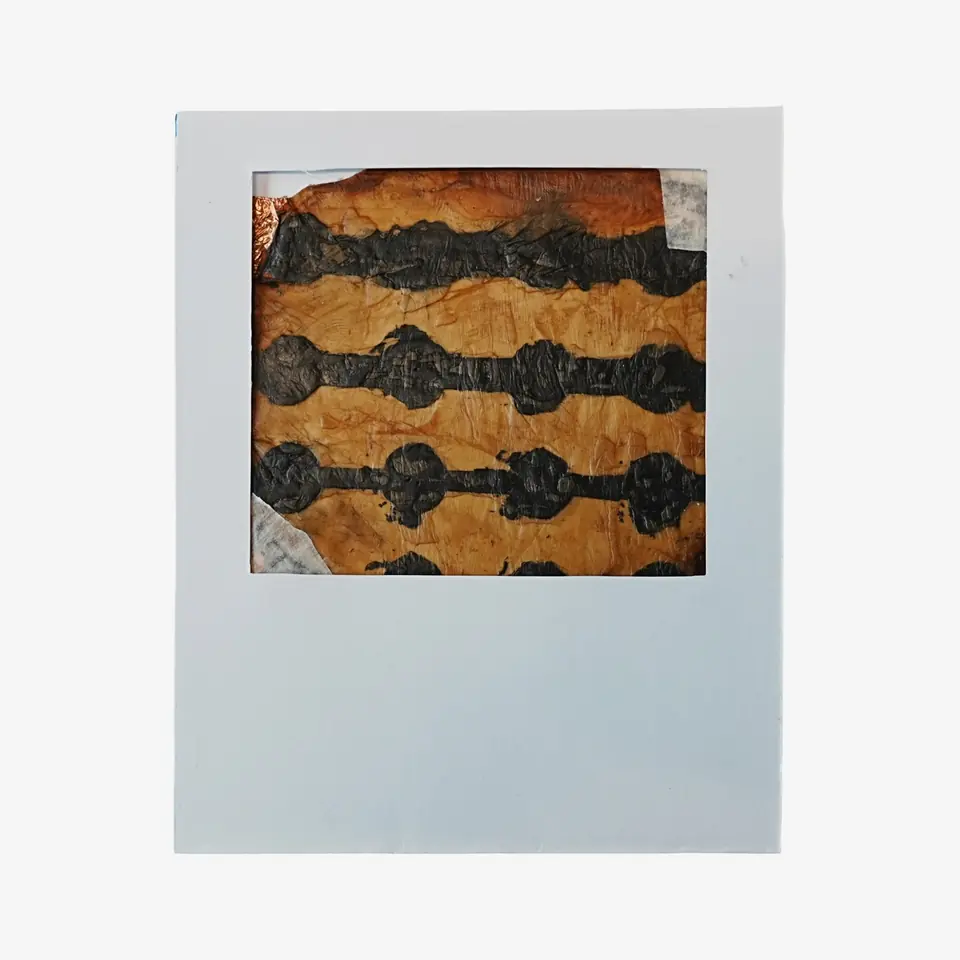
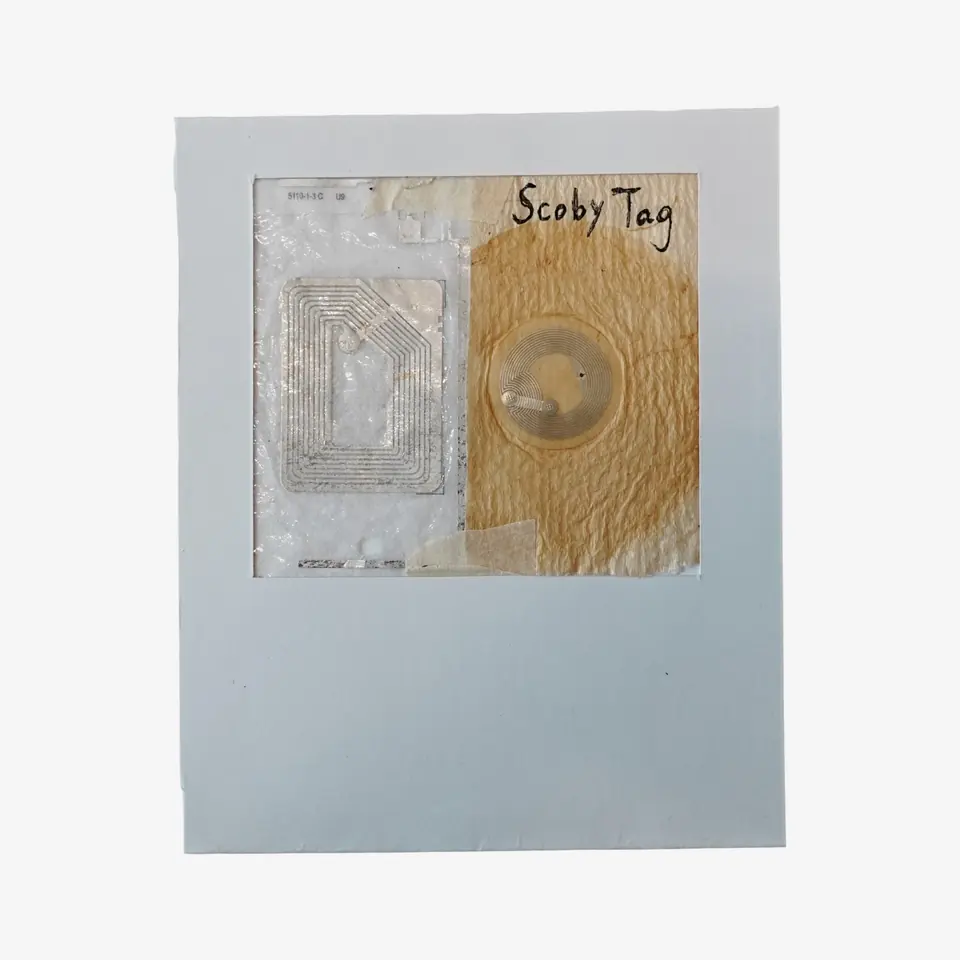
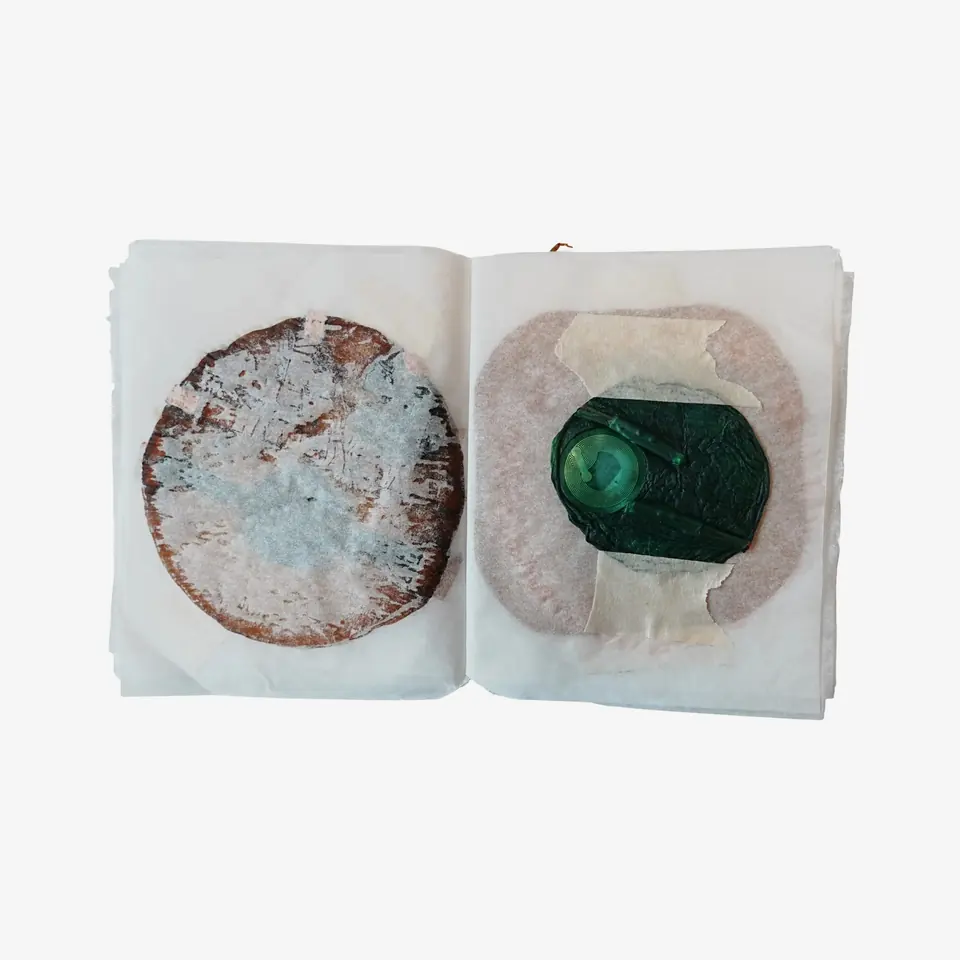
“A responsible beginning includes a plan for the ending.”
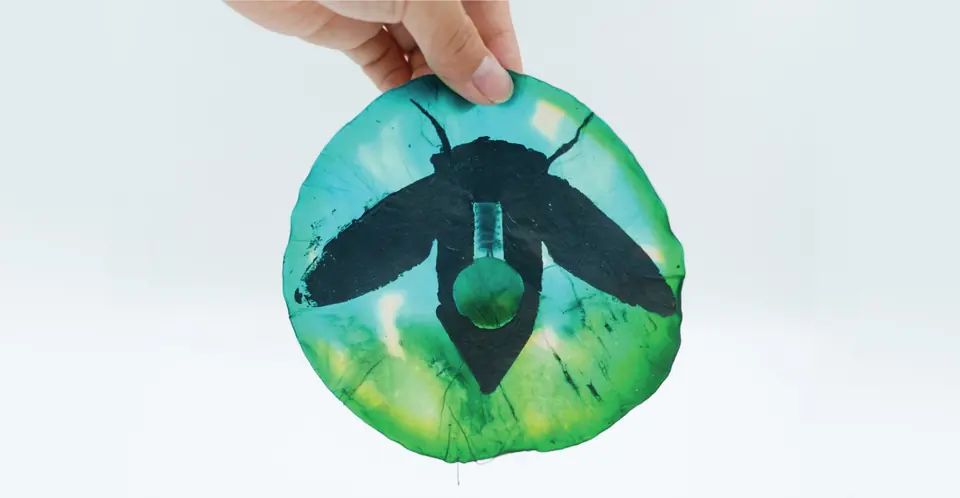
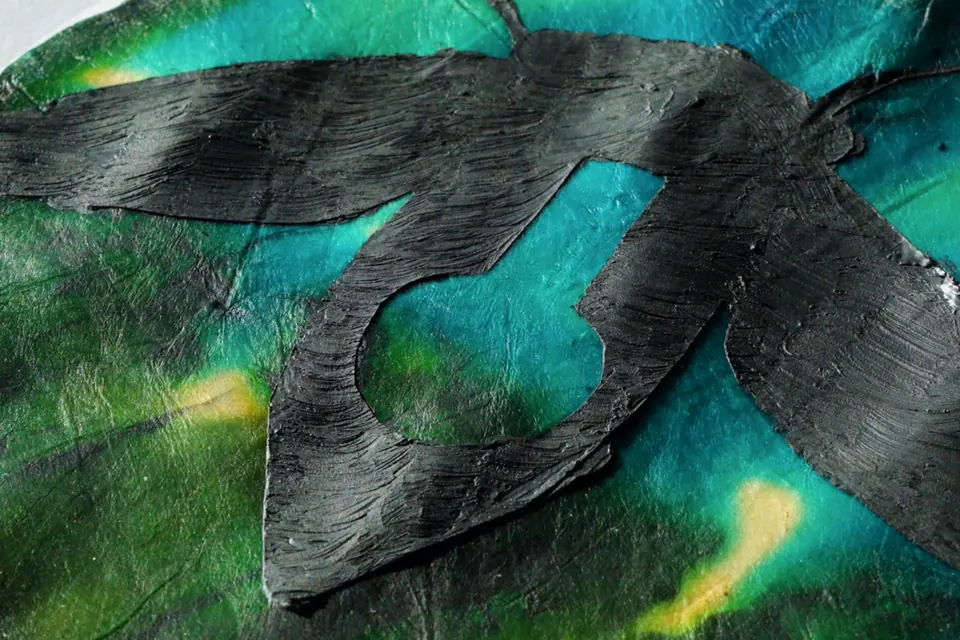
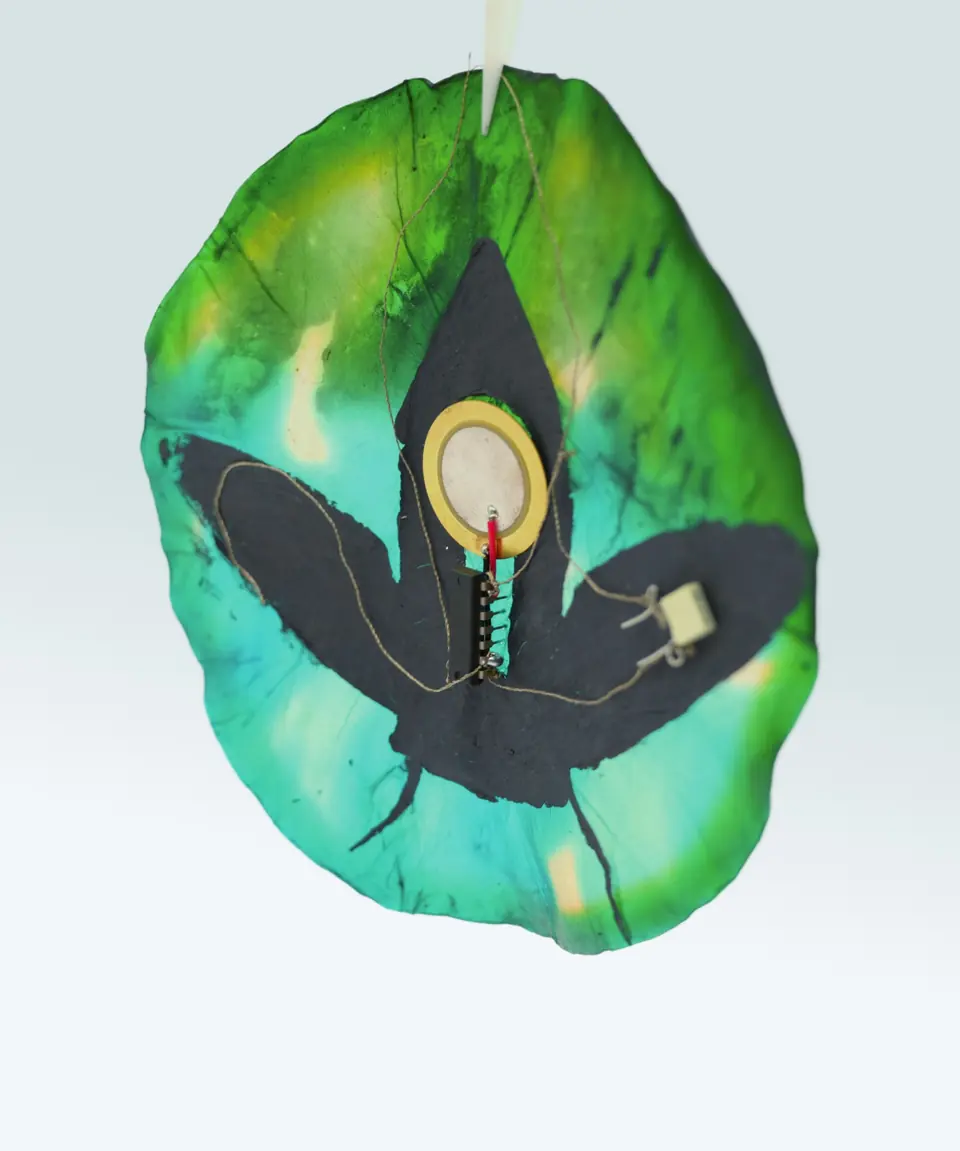
The body is a colourful, leather-like sheet grown during kombucha fermentation, shaped as a cicada. Its conductive paths are painted by hand with graphite ink, the same carbon found in pencils. As the sheet dries, its conductivity changes, and a simple circuit turns that change into shifts in sound.
Like a cicada, which develops for years and sings for a short time, the material is heard only after a long cultivation. The complete object is not biodegradable. Its electronic components can be removed, reused or recycled, and the biological body is handled separately.
Controlled tests of how humidity, drying and film thickness affect conductivity, and longer observation of how the film ages and breaks down after use.